Nigeria moves industrial policy to execution as manufacturers seek cheaper credit


Nigeria’s Industrial Revolution Working Group (IRWG) has moved into an implementation phase for the National Industrial Policy, with industry stakeholders calling for cheaper long-term financing to translate the policy into higher production and investment.
At its technical session in Lagos on Thursday, themed “From Technical Consensus to Policy Reality: Advancing the IRWG Execution Mandate After the Launch of the Nigerian Industrial Policy,” the group identified affordable financing as a major condition for achieving the country’s industrial targets.
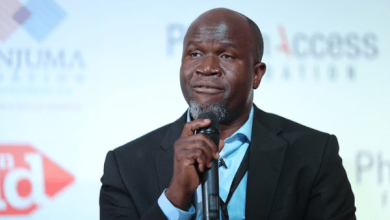
Segun Kadir, Director-General of the Manufacturers Association of Nigeria (MAN), said lending rates of about 35 percent were undermining manufacturers’ ability to invest and expand.
He described the rates as “suicidal” for productivity and growth, compared with about 8 percent in Benin Republic and Cameroon.
“Capital is priced out of industry. We are crowded out,” Kadir said.
The IRWG is seeking single-digit interest rates for manufacturers and a long-term financing framework involving the Central Bank of Nigeria, Bank of Industry (BOI) and other development finance institutions.
The group also wants greater use of credit guarantees, risk-sharing arrangements and on-lending structures to expand access to industrial finance.
The push comes as the National Industrial Policy targets an increase in manufacturing’s contribution to gross domestic product (GDP) to 25 percent. MAN currently puts manufacturing’s contribution at 7.72 percent.
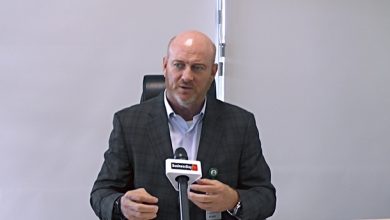
The financing gap remains significant. BOI’s managing director, Olasupo Olusi said Nigeria requires more than $35 billion annually to meet its industrial financing needs, adding that no single institution can close the gap.
BOI plans to deploy more than N936 billion across priority industrial value chains in 2026, including agro-processing, food and beverages and pharmaceuticals.
The bank deployed N645 billion to more than 12,000 businesses across 46 states and the Federal Capital Territory in 2025, with more than N300 billion going to agro-aligned and core manufacturing activities.
Olusi has said BOI would seek to leverage government capital with private-sector funding, estimating that every N1 provided by the government could mobilise about N3 in domestic private capital.
He said the bank would also support businesses in preparing investment-ready projects through matching funds and blended financing, stressing that capital would have limited impact without projects capable of absorbing it.
The Minister of State for Industry, Trade and Investment, John Enoh, said the country’s challenge was no longer developing industrial plans but implementing them consistently.
“The difference is that while Morocco stuck to a plan and to implementation of that plan, and they were deliberate about it, Nigeria didn’t,” Enoh said.
He said the IRWG must now produce specific actions that can be taken to the presidency as the government moves from policy launch to industrial performance.
The working group identified five execution priorities: affordable long-term financing; energy security and infrastructure; bureaucratic and regulatory reform; made-in-Nigeria patronage and market integrity; and skills development and innovation.
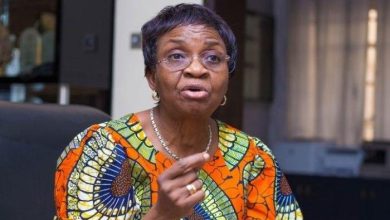
Ajayi-Kadir said the group’s focus should now be on delivering these priorities rather than producing further communiqués.
The technical session therefore marked a shift in the government-industry engagement from reaching consensus on industrial constraints to tracking implementation and measuring whether policy interventions translate into increased production, investment and jobs.