Roche’s alzheimer’s drug clears plaques in 28 weeks, faces 2028 test to slow memory loss

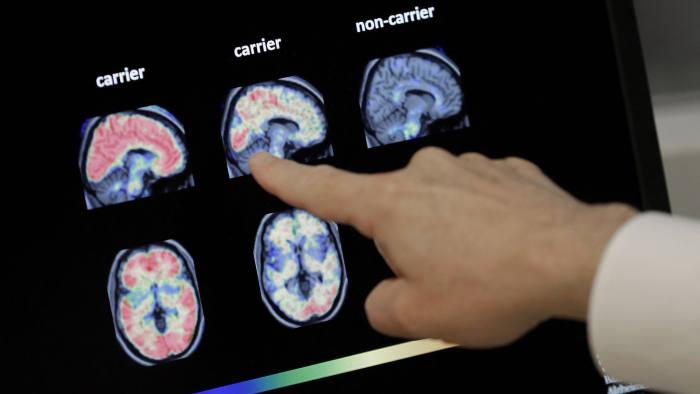
Roche’s experimental Alzheimer’s drug, trontinemab, has cleared harmful protein deposits from the brains of nine out of 10 patients within 28 weeks, giving fresh hope in the search for treatments that can slow memory loss.
Alzheimer’s disease is a condition that gradually damages the brain and makes it harder for people to remember things, think clearly and carry out everyday activities. One of the things that happens in the brains of people with Alzheimer’s is that a protein called amyloid builds up and forms sticky clumps, known as plaques.
These plaques can damage brain cells over time. Trontinemab is designed to help the body remove these plaques from the brain. In simple terms, the drug acts like a guided clean-up system, helping the brain’s natural defence cells find and remove some of the harmful protein deposits.
Roche reported the 28-week result from its Phase 2 trial in July 2025. The study involved about 100 people with early-stage Alzheimer’s disease or mild cognitive impairment.
The result was striking in that, about 90 percent of the patients had their amyloid plaques cleared within 28 weeks.
But there is an important question that the trial could not answer: Does removing the plaques actually help people keep their memory for longer?
That is what Roche is now trying to find out.
The big test comes in 2028
Roche has moved trontinemab into larger Phase 3 clinical trials, with each of the initial trials expected to enrol about 800 people.
The trials are designed to determine whether the drug can actually slow the decline in memory and thinking among people with Alzheimer’s disease.
Results are expected in 2028. This will be a much more important test of the drug than simply showing that it can remove amyloid.
Removing the plaques is encouraging, but it does not automatically mean that a person’s memory will improve or that Alzheimer’s will stop getting worse.
The 2028 results will show whether the biological change seen in the brain can translate into a real benefit in people’s daily lives.
Read also: Nexus turns Africa’s radiologist shortage into a healthcare AI bet
How does the drug reach the brain?
Getting an Alzheimer’s drug into the brain is not easy. The brain has a natural protective barrier called the blood-brain barrier. It keeps many harmful substances in the blood from getting into brain tissue, but it can also prevent useful medicines from reaching where they are needed.
Roche designed trontinemab with a technology called Brainshuttle, which is intended to help the drug cross this barrier more easily.
Once inside the brain, the drug attaches itself to amyloid beta, the protein that forms the plaques. This helps the brain’s immune system identify and clear the deposits.
The idea is therefore not simply to put more medicine into the bloodstream, but to make sure more of the medicine can actually reach the brain.
Why this matters
Current Alzheimer’s treatments can help manage symptoms, but disease-modifying drugs such as trontinemab are being developed with a goal to slow the underlying disease process itself.
Other drugs, including lecanemab and donanemab, also target amyloid plaques. Roche is hoping that trontinemab’s ability to cross the blood-brain barrier more efficiently can improve the way this type of treatment works.
The company is also testing the drug much earlier in the disease process.
One Phase 3 trial is looking at people who do not yet have dementia symptoms but have high levels of a blood marker called p-tau217.
P-tau217 is a protein marker that can help researchers identify changes linked to Alzheimer’s disease before serious symptoms appear.
The thinking is that treating people earlier, before extensive damage has occurred, could potentially delay or prevent the point at which memory problems become noticeable.
Read also: Private capital can transform Nigerian healthcare. Let’s build a system that lets it in
Safety still needs to be watched
Like other drugs that target amyloid, trontinemab can cause a side effect known as amyloid-related imaging abnormalities, or ARIA.
ARIA can cause swelling or tiny areas of bleeding in the brain. Doctors can usually look for these changes using MRI brain scans.
In the Phase 2 trial, four people, though less than five percent of participants, showed signs of ARIA on their brain scans. Only one person developed symptoms, and those symptoms were mild.
The larger Phase 3 trials will provide more information about how safe the drug is when used in a much larger group of people.
For now, trontinemab remains an experimental treatment and is not yet an approved cure for Alzheimer’s disease.
Its early results, however, point to a potentially important development in the fight against the disease.
The real test will come in 2028. That is when researchers hope to answer the question that matters most to patients and their families: whether clearing the plaques can help people keep their memory and thinking abilities for longer.