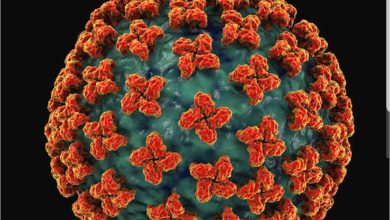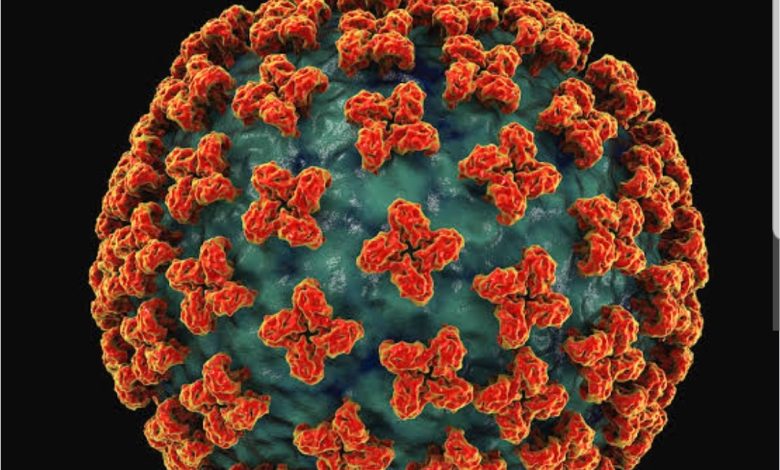
As global health systems continue to grapple with infectious disease threats such as Hantavirus, experts are returning to one of the simplest, most effective preventive tools of hand hygiene.
After marking World Hand Hygiene Day on May 5, with the theme tagged ‘Action saves lives’, the World Health Organization (WHO) urged all countries around the world to prioritize hand hygiene as a frontline defense against a wide range of illnesses transmitted through contact.
The renewed focus comes amid growing concerns about healthcare-associated infections and the persistent spread of infectious diseases linked to poor hygiene practices such as Hanta virus.
The National Foundation for Infectious Diseases through its “Hands in For Handwashing” campaign, also urged individuals to adopt consistent handwashing habits as a daily safeguard.
‘Handwashing is one of the easiest and most effective ways to prevent the spread of infectious diseases, yet too many people skip it when it matters most,’ noted Robert H. Hopkins, NFID medical director.
The ‘ hands in for handwashing’ campaign reminds us that protecting our health and the health of those around us, is literally in our hands,’ he added.
What data say
Health experts estimate that about 80 percent of infectious diseases are spread by contaminated hands, underscoring the scale of risk tied to poor hygiene.
Routine handwashing significantly reduces the transmission of illnesses such as Hantavirus, COVID-19, influenza, hepatitis A, norovirus, and rotavirus.
According to the World Health Organization(WHO), consistent hand hygiene practices could save up to one million lives globally each year.
Despite this, adherence remains inconsistent, with many individuals washing their hands more frequently during seasonal outbreaks while neglecting the practice during routine daily activities.
Infectious diseases continue to pose a major global challenge. The WHO warns that these infections not only lead to prolonged illness, disability, and premature death but also contribute to rising antimicrobial resistance and increased healthcare costs.
The WHO further stresses that infection prevention and control measures, particularly hand hygiene, offer a high return on investment and remain critical to improving patient safety across the globe.
As part of global targets, countries are expected to establish hand hygiene compliance monitoring systems in healthcare facilities by 2026.
Read Also:https://businessday.ng/world/article/hantavirus-on-the-rise-in-argentina-where-a-stricken-cruise-ship-began-its-troubled-journey/
Hand washing tips by WHO
To strengthen protection against infectious diseases, the World Health Organization recommends following these five essential steps, which include,wet hands with clean, running water,apply soap and lather thoroughly, covering all hand surfaces, scrub for at least 20 seconds, including between fingers and under nails,rinse thoroughly under clean water,dry using a clean towel or allow hands to air dry.
Ensuring access to clean water, soap, and hygiene supplies remains essential, particularly in healthcare environments where the risk of infection is highest.
The WHO also highlights the importance of education, training, and sustained investment in hygiene infrastructure to support these efforts.
As infectious diseases like Hantavirus continue to evolve and spread, experts note that consistent hand hygiene is not just a basic habit but a life-saving intervention.